Guiding children toward confident autonomy and family fulfillment
Raising independent children involves finding the right balance between positive guidance, freedom, and unconditional support.
Orchestrating a balanced daily routine and family life
Establishing positive discipline routines reduces anxiety, creating a secure framework where siblings understand their roles and household chores within the dynamic.




Supporting school education and learning
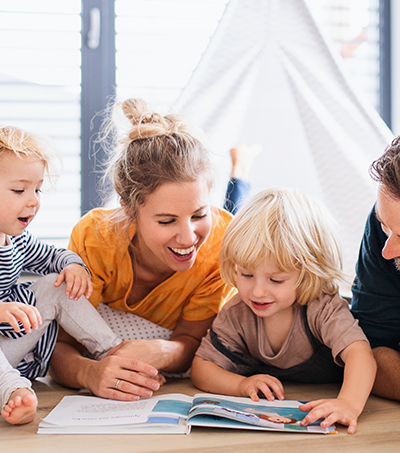
Navigating the bilingual education path requires involvement beyond homework help. With rigorous national curriculum standards, creating a resource-rich study area proves essential. Visiting municipal libraries or museum exhibitions enriches the taught curriculum. Encouraging children to articulate thoughts during family meals sharpens critical thinking, essential for future academic success and reading comprehension in a competitive world.
School-free Wednesdays offer perfect opportunities for extracurricular activities. Music theory or STEM workshops stimulate different brain areas. These structured hobby classes complement formal education by developing artistic creativity and discipline.
True learning extends to emotional intelligence. Teaching children to navigate playground interactions and resolve conflicts builds social resilience. Modeling active listening equips young ones with tools to thrive in diverse multicultural environments.
Safeguarding child health and wellness
Monitoring physical trajectories involves more than treating fevers. The ‘Carnet de Santé’ serves as a roadmap for growth charts and vaccination schedules. Nutrition plays a role; limiting sugar while emphasizing organic seasonal produce strengthens the immune system. Pediatrician check-ups ensure developmental concerns are addressed, guaranteeing a healthy lifestyle.
Sleep hygiene dictates day quality. Establishing a calming bedtime routine, devoid of blue light, ensures deep REM sleep. This recovery time is critical for memory consolidation and regulating mood swings associated with chronic fatigue.
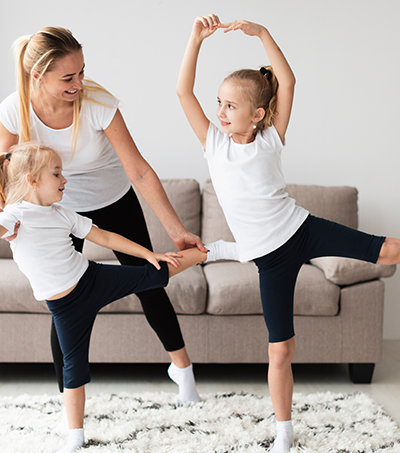
Child mental health requires vigilance. Creating mindfulness zones helps children decompress from academic pressure. Simple breathing exercises or kids yoga significantly reduce anxiety levels and improve overall focus.
Unlocking potential through creative play
Sensory play acts as a catalyst for development, allowing children to experiment with motor skills in a safe environment.
Cognitive boost
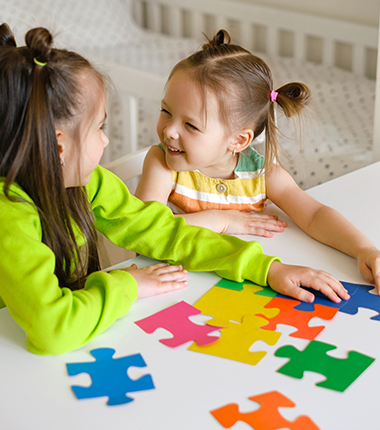
Montessori logic puzzles
Solving wooden puzzles or brain teasers sharpens logic. These quiet activities improve attention spans and teach the value of persistence.
Physical agility
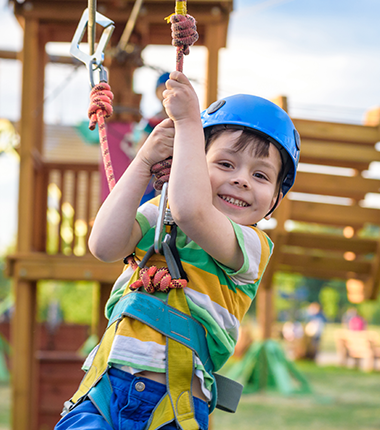
Outdoor sports and agility
Climbing or playing park games builds gross motor skills. Physical exertion releases endorphins and helps regulate hyperactivity levels.
Social skills
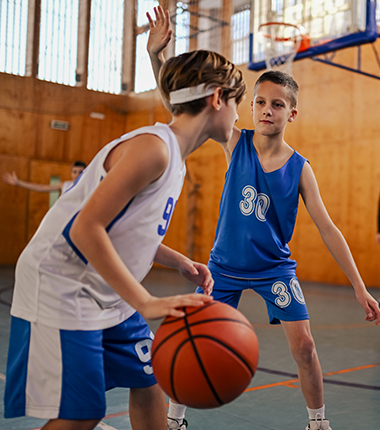
Team sports and cooperation
Participating in club sports teaches fair play. Children learn to negotiate rules, accept defeat gracefully, and celebrate team spirit.
Creative arts
Healthy cooking and kids recipes

Introducing children to culinary arts turns picky eaters into gourmets. During Taste Week, families focus on tasting diverse ingredients, but this fits a daily practice. Letting kids measure flour for homemade snacks or wash organic vegetables gives them a sense of contribution. Understanding food origins and how it is transformed encourages balanced nutrition choices and fosters respect for family meal traditions.
Creative party ideas for kids
Crafting magical seasonal celebrations and kids parties
Organizing a birthday party requires planning, from choosing festive themes to coordinating entertainment. Whether it’s a spooky Halloween adventure or an Easter egg hunt, balancing party games and free play ensures fun stays exciting without overwhelming the party guests.
Work-life balance for parents
Balancing a career with family obligations requires time management to compartmentalize work stress. Prioritizing quality time over quantity yields better parent-child relationships.